What the Wildlife Taught Me About Sensor setup
There is a version of fieldwork that exists in the methods section, where instruments are deployed and data is collected. Then there is the version where you drive two hours, hike the last stretch because the road has become a creek, and find that something with teeth has spent the winter redesigning your wiring harness.
I have now replaced enough cable at the Dangermond Preserve to have opinions.
The site will throw everything it has against you
In three field seasons, I do not think a single sapflow probe has failed on its own terms. What fails is everything around it: the cable run, the connector, the enclosure seal, the strain relief, the mounting that was fine until the branch it was attached to moved four centimetres.
While the design of the sensors could surely use an upgrade, it is just realizing that the thing you spend your time designing and the thing that determines your uptime are usually different objects.
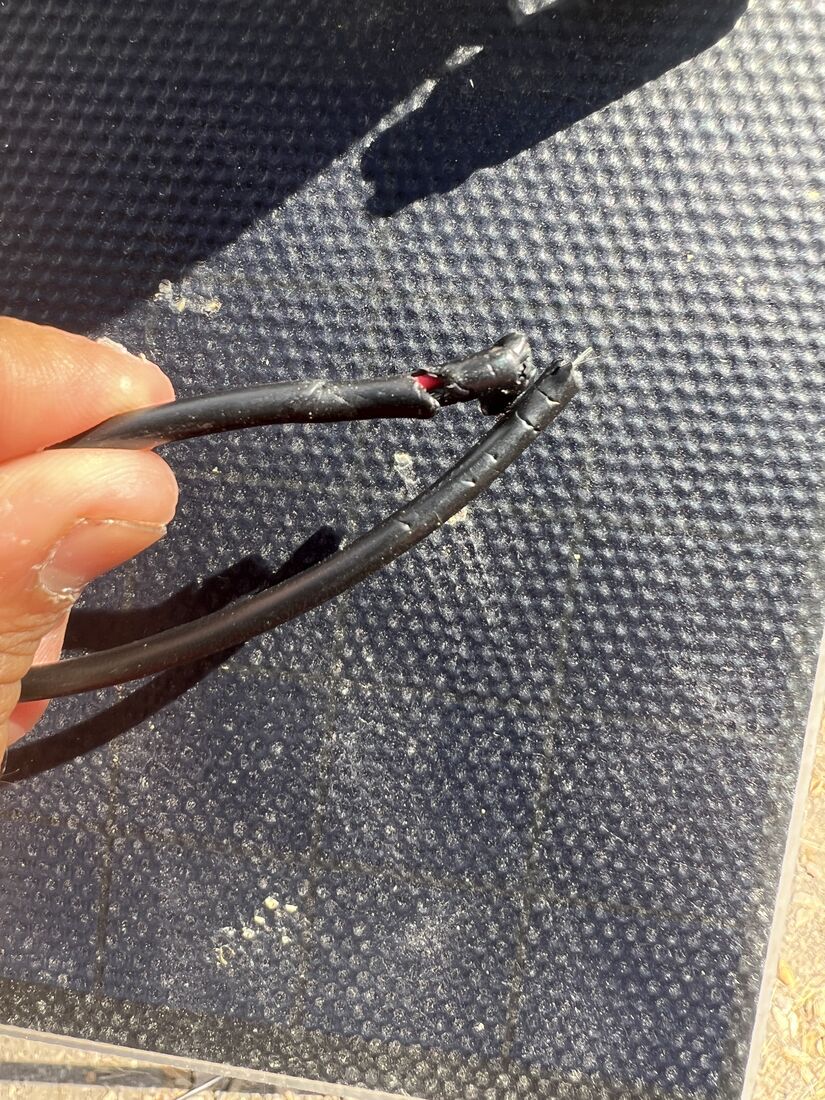
What I do differently now
A few things that have survived contact with reality:
- Assume the cable is the weak point, and make it replaceable in the field. A connectorised run that a cold, tired person can swap in ten minutes beats an elegant sealed one that requires a bench.
- Go wireless wherever possible, it is surprising people don’t appreciate LoRA more
- Armour the runs that touch the ground. Conduit is heavy to carry in and cheaper than a lost month.
- Log locally, always. A node that keeps writing to its own storage when the uplink drops turns a data loss into a data delay. This one change has recovered more of my dataset than any other.
- Design the enclosure as habitat. Not to keep animals out — you will lose that fight — but so that when something moves in, it cannot reach anything load-bearing.
The part I did not expect
The maintenance cycle changed how I read my own data. When you personally replaced the connector on node four in March, you look at the March discontinuity in node four differently than if you had inherited the time series as a CSV.
I would not describe hiking a battery bank up a hill as a research method. But knowing exactly which of my measurements I trust, and why, comes almost entirely from having been the one standing there when it broke.