Bats, Frogs and Other Early Fieldwork
Undergraduate projects that had little in common except a sensor, a field site, and a question about a living system.
Role
Undergraduate researcher
Tools
Anabat Insight Raven Pro R
Before ecohydrology there were projects that, on paper, look like a wandering CV. But they taught me most of what I know about deploying sensors in places that were not designed for them.
Aboveground carbon pools in the forests of Maine
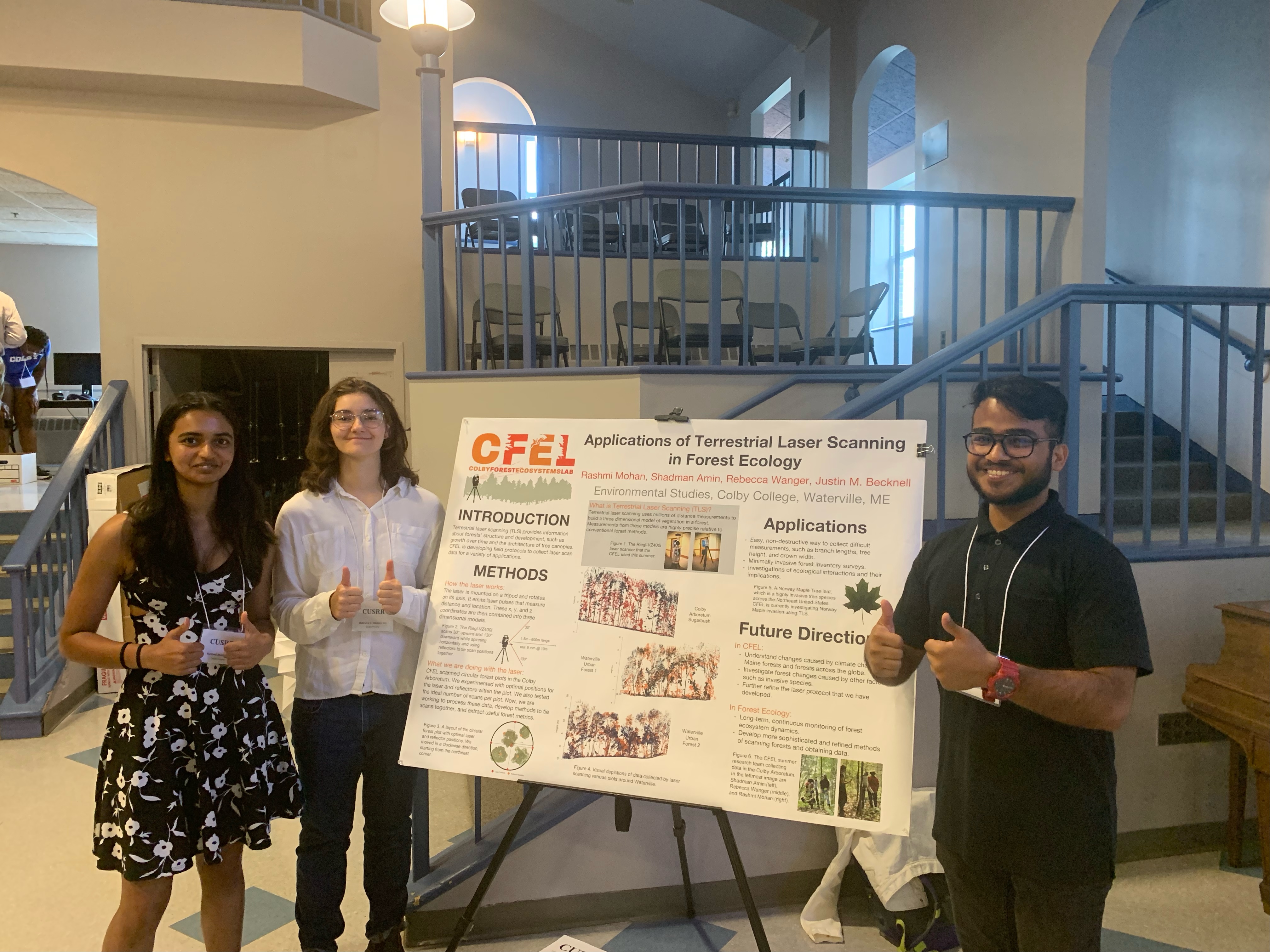
My last rodeo in college was working with Dr. Justin Becknell on estimating the changes in aboveground biomass in the upland forests of Maine. Initially the work consisted of forest surveys, days of backbreaking hiking and counting trees and measuring different parameters. But once he was convinced that I am not a total idiot, he trusted me with the brand new terrestrial LiDAR that he had bought and let me play around with it for all of my senior year. I came out of that project with a complete field and lab protocol for the Riegl VZ-400 terrestrial lidar, and having the privilege of meeting two incredibly promising sophomores.
Green frogs on the Allen Islands
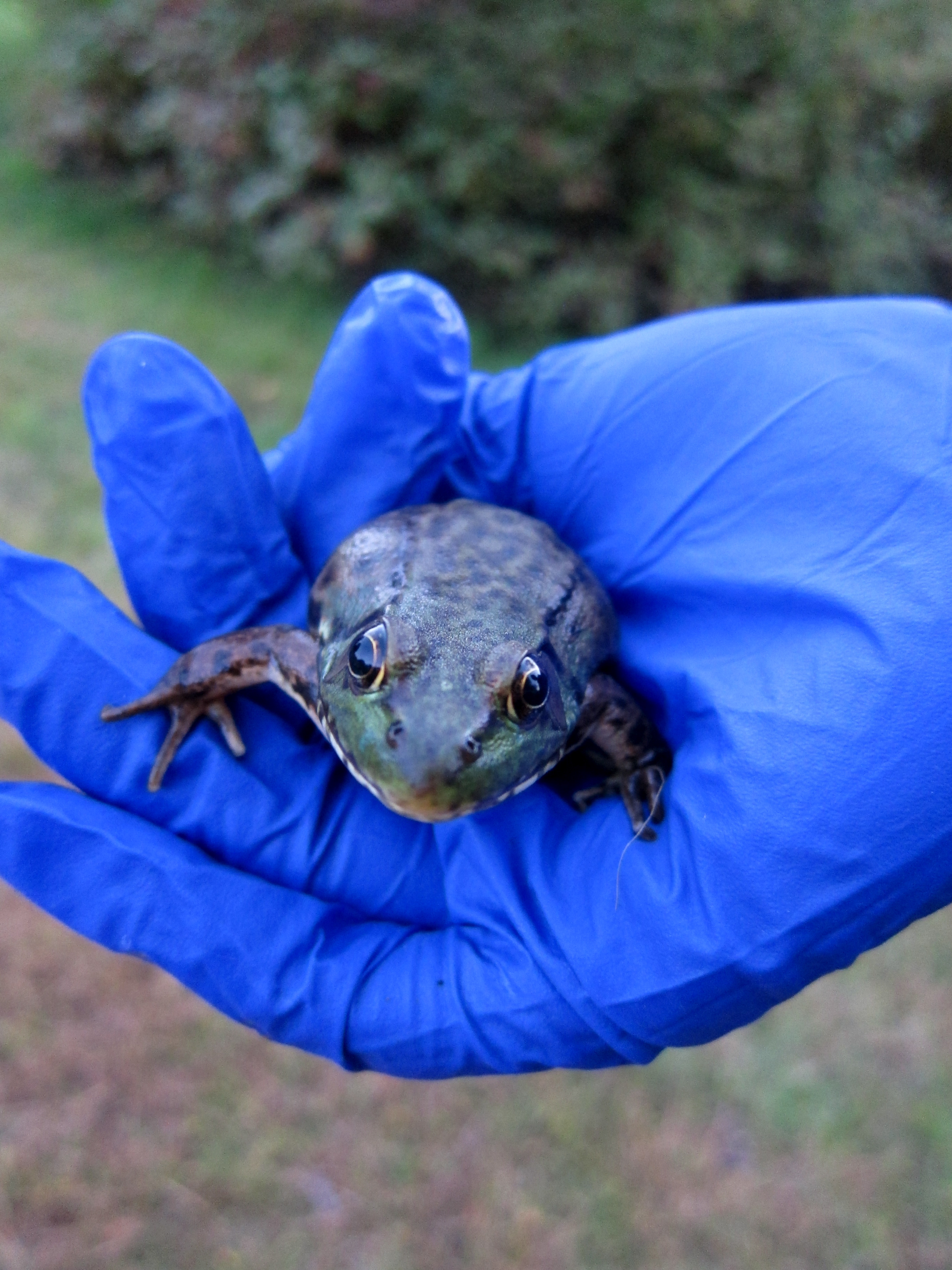
With Dr. Catherine Bevier at Colby, I spent a summer in Central Maine, including the Allen Islands studying the sub-lethal effects of Batrachochytrium dendrobatidis infection on the skin microbiome, morphology and behaviour of the northern green frog (Lithobates clamitans). The work ran from field capture through partial protein purification, bacterial isolation, cell-free supernatant and agar challenge assays, and fungal growth analysis — a full trip from the pond to the bench and back.
Urban bats in Copenhagen
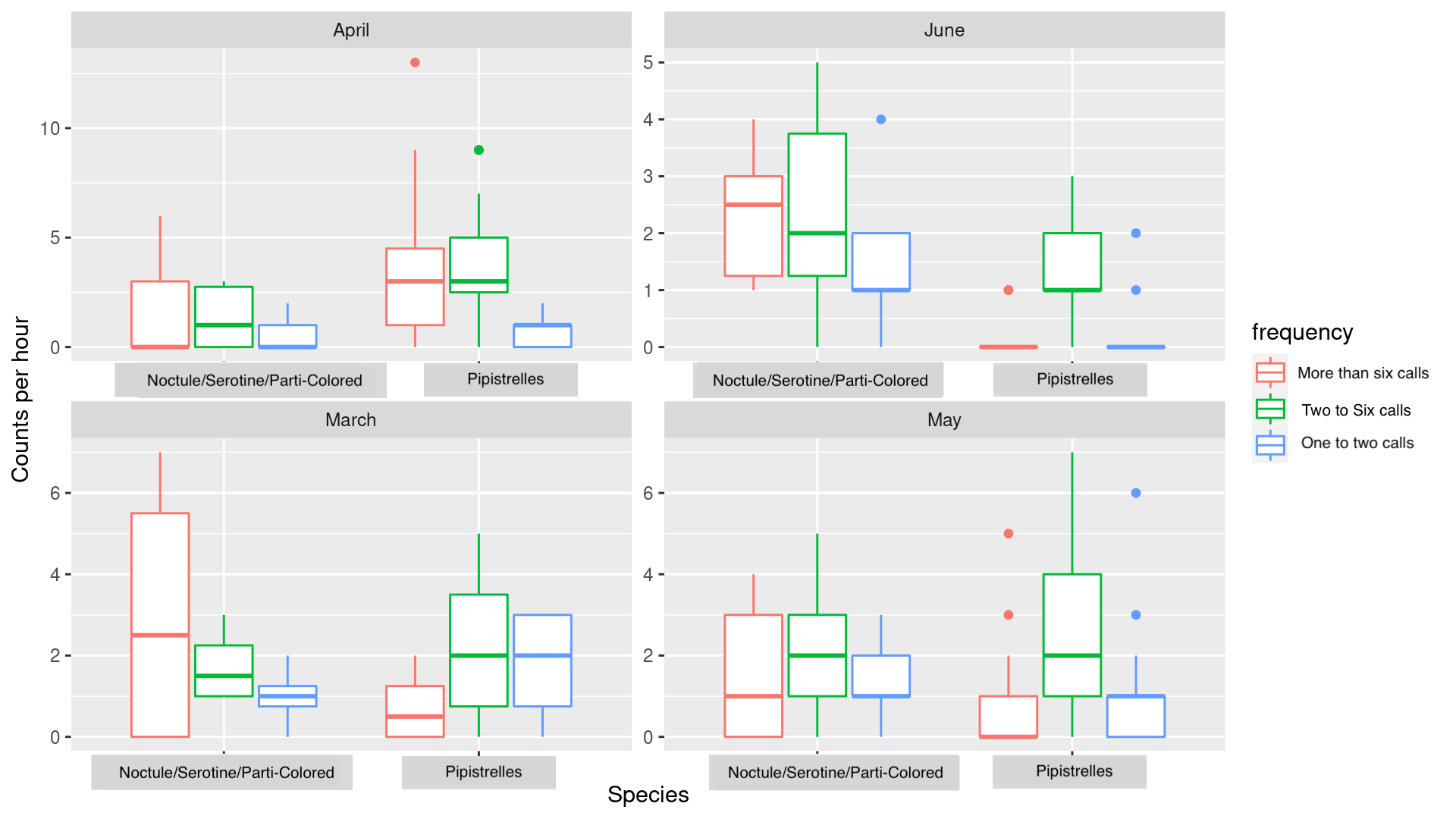
At DIS Copenhagen and Københavns Universitet, working with Inger Kærgaard, I ran field research across six sites of varying anthropogenic disturbance — including the Round Tower — deploying ultrasonic bat detectors and analysing the recordings in Anabat Insight to study urban feeding and migration behaviour. Bats are excellent teachers of the principle that your sampling design is only as good as your assumptions about when the animal shows up.